
Uganda is stepping closer to a unified identity system that could see the National Identification Number (NIN) become a common link between citizens and a wide range of financial, tax and public services.
The move is being driven by efforts to integrate identity records across government agencies and private institutions, allowing individuals to be more easily identified and verified.
National Identification and Registration Authority (NIRA) Executive Director Rosemary Kisembo says the NIN is no longer only about proving a person’s identity but is increasingly being used across different aspects of everyday life.
“Your identity of a person from birth is beginning to take anchor in this country, in your SIM card, in your finances, in your taxes, in everything about you,” Kisembo said.
She said linking identity systems will enable both public and private institutions to recognise individuals using a common identifier, while improving access to services.
“We are highlighting the fact that your name and your identity are not just recognised by us, but they are recognised across the spheres of the public and private sectors,” Kisembo said.
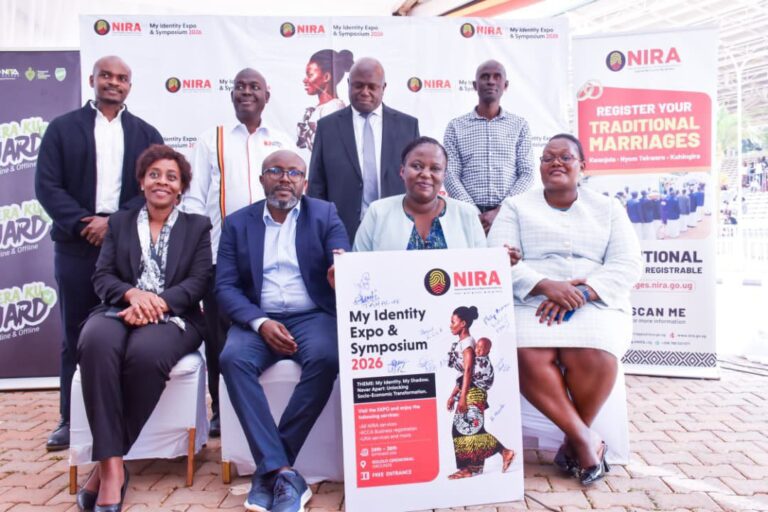
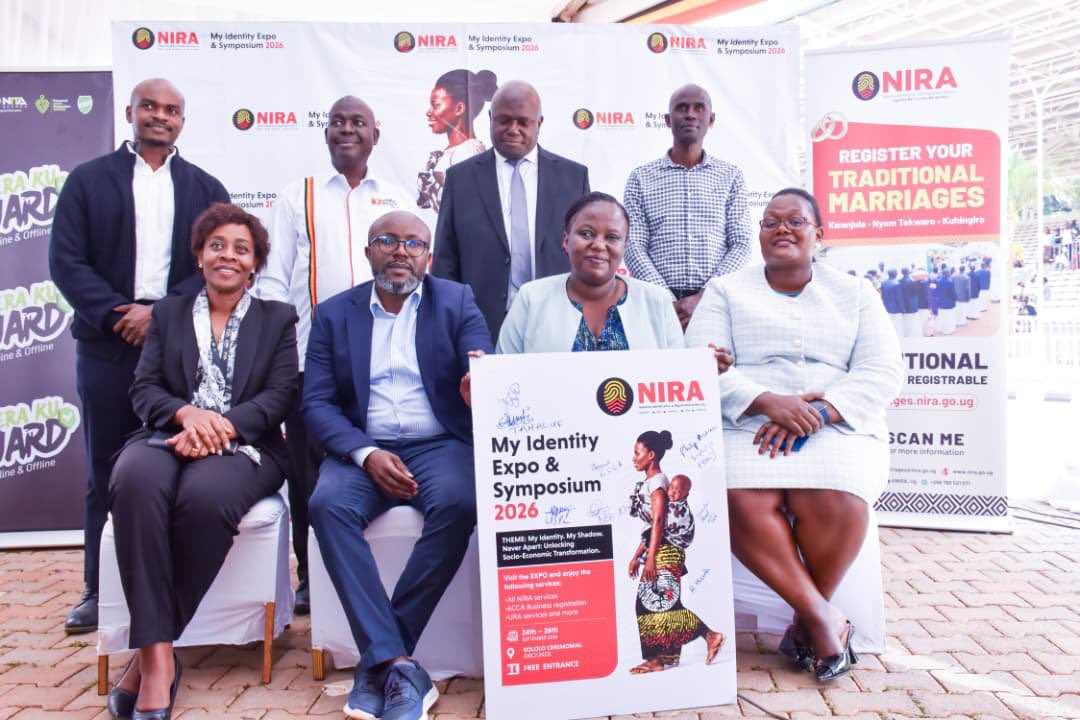
She was speaking ahead of the My Identity Expo and National Symposium, which will take place from September 24 to 26 at Kololo Ceremonial Grounds in Kampala.
The three-day event is expected to bring together government agencies, private-sector players and citizens to discuss the growing role of identity in Uganda’s social and economic life.
Among the issues expected to feature are contested identity, migratory identity, birth and death registration, financial inclusion, electronic Know Your Customer systems and the economic impact of identity.
The integration is already extending into taxation, with the NIN being linked to the Tax Identification Number (TIN).
URA Assistant Commissioner for Client Services Christine Mirembe said linking the NIN and TIN should also help clarify who is actually liable for tax and who simply holds a TIN for administrative purposes.
“Not everyone is going to become a taxpayer. You need to be registered for taxes to be a taxpayer,” Mirembe said.
For the financial sector, Bank of Uganda Executive Director in charge of Risk and Strategy Philip Wabulya says having one reliable identity could help tackle fraud while making customer verification more efficient.
“One of the reasons why we need to harmonise is so that we can instantly know that this is either the same person or a different person,” Wabulya said.
He said a unified identity would also allow financial institutions to build more reliable credit histories and identify borrowers who attempt to obtain multiple loans using different identities.
According to Wabulya, the system could also make it easier and faster for customers to open accounts and access financial services, while strengthening confidence among financial institutions and investors.
NIRA currently has 35.58 million Ugandans on its register, representing about 75 percent of the population, while at least 10 million people have not yet been accounted for.
The Authority launched its mass enrolment exercise on March 27, 2025, as part of efforts to register the entire population.
The upcoming My Identity Expo and National Symposium will therefore provide a platform to examine how Uganda’s identity system can influence access to services, financial inclusion and participation in the economy.